Shilajit Benefits: 13 Science-Backed Reasons This Himalayan Resin Is the #1 Supplement
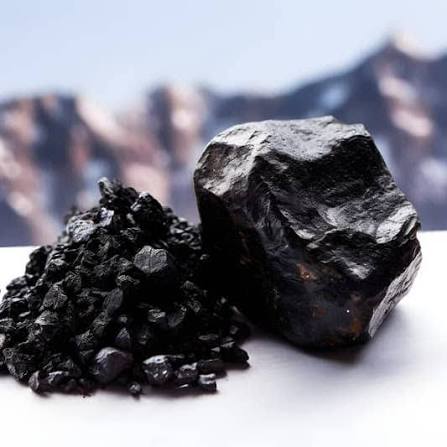
The ancient mountains of the Himalayas have kept a secret for centuries—a sticky, tar-like resin that local communities in Gilgit-Baltistan call “mountain blood.” Today, the world is finally catching up to what traditional healers have known for generations. The global demand for natural wellness is skyrocketing. In fact, the global shilajit market is projected to reach USD 320.1 million by 2030, growing at a 9.0% CAGR. This surge isn’t just a trend; it’s part of a massive shift toward functional, earth-grown medicine. Even the World Health Organization is pivoting towards integration, with the WHO Global Traditional Medicine Strategy 2025–2034 formally adopted at the 78th World Health Assembly in 2025. Considering that around 80% of the world’s population uses traditional medicine, shilajit stands at the forefront of this wellness revolution. Key Takeaways Table of Contents What Is Shilajit? Shilajit is not an herb, nor is it a mineral in the traditional sense. It is a mineral-rich resin formed over centuries by the gradual decomposition of specific plant matter—primarily Euphorbia royleana and Trifolium repens—through the action of microorganisms. As the Himalayan mountains shift and warm during the summer months, this resin oozes from the cracks in the rocks. Found primarily in the high-altitude ranges of the Himalayas (spanning Pakistan, India, and Nepal), as well as regions in Russia, Tibet, Afghanistan, and the Andes (Chile), it goes by many names: salajit, shilajatu, mimie, and mummiyo. The Science of CompositionShilajit is a phytochemical powerhouse. It is composed of 60–80% humic substances (primarily fulvic acid) and 20–40% minerals and trace elements. The magic lies in the fulvic acid. With a low molecular weight of approximately 2kDa, fulvic acid is water-soluble at all pH levels and is rapidly absorbed in the intestinal tract, making it an incredible delivery system for nutrients. Perhaps most impressively, recent studies have identified its antioxidant power. The ORAC (Oxygen Radical Absorbance Capacity) index of shilajit is between 50–500 Trolox units/g—substantially higher than popular superfoods like Noni and blueberries. (Source: NIH/PMC) Table 1: Shilajit Nutritional Composition Component Percentage/Amount Key Function Fulvic Acid 60–80% of organic matter Antioxidant, anti-inflammatory, nutrient transport Humic Acid Part of humic substances Immune modulation, detoxification Dibenzo-α-pyrones (DBPs) Trace bioactive compounds Mitochondrial energy enhancement, CoQ10 synergy Minerals 20–40% of total Cellular function, enzyme activation (84+ trace elements) Selenium Trace element Anti-aging, thyroid support Amino Acids Various Protein synthesis, recovery Polyphenols Various Antioxidant protection Fatty Acids Various Cell membrane health The 13 Science-Backed Benefits of Shilajit While traditional medicine has used shilajit for millennia as a “panacea,” modern science has now begun to validate these claims with rigorous clinical trials. Here are the top 13 benefits supported by research. 1. Boosts Testosterone Levels Naturally For men facing declining vitality, shilajit offers a non-synthetic solution. A pivotal clinical trial published in Andrologia demonstrated its efficacy. “Treatment with Shilajit for consecutive 90 days revealed that it has significantly (P < 0.05) increased total testosterone, free testosterone and dehydroepiandrosterone (DHEAS) compared with placebo.” The study involved men aged 45–55 who took 250mg twice daily. Unlike synthetic testosterone replacement therapy (TRT), which can shut down natural production, shilajit appears to stimulate the body’s natural endocrine function. Read the full study here. 2. Enhances Physical Performance & Muscle Strength A recent 2025 pilot study (PMC12848467) has shed new light on shilajit’s impact on athletic performance. In this study, 25 healthy males took 500mg/day for 28 days. The results were remarkable: View the pilot study data. 3. Reduces Chronic Fatigue by Over 32% Fatigue is often a result of mitochondrial inefficiency. The same TruBlk™ study mentioned above found that Fatigue Severity Scale (FSS) scores decreased by 32.40% (p < 0.001) and Rate of Perceived Exertion (RPE) decreased by 23.63%. This aligns with findings from an earlier 8-week study published in the Journal of the International Society of Sports Nutrition. See the JISSN study. 4. Supports Cognitive Function & May Help Prevent Alzheimer’s One of the most promising areas of research involves brain health. Fulvic acid, the primary active compound in shilajit, has been shown to block the self-aggregation of tau proteins. The accumulation of these “tau fibrils” is a key marker in the development of Alzheimer’s disease. “Fulvic acid blocks tau self-aggregation, opening an avenue toward the study of Alzheimer’s therapy.” — Journal of Alzheimer’s Disease Read the NIH analysis here and further neuroprotective research here. 5. Powerful Antioxidant & Anti-Inflammatory Inflammation is the root of many chronic diseases. Shilajit acts as a systemic anti-inflammatory agent. In the 2025 TruBlk™ study, participants saw their C-reactive protein (CRP) levels—a primary marker of inflammation in the body—drop by 25.35% (p = 0.023). With an ORAC index rivaling the most potent superfoods, it scavenges free radicals throughout the body. Source. 6. Enhances Mitochondrial Energy Production (CoQ10 Synergy) Mitochondria are the power plants of your cells, converting nutrients into ATP (energy). Shilajit contains dibenzo-α-pyrones, which act as electron carriers in the mitochondrial respiratory chain. Research indicates that when shilajit is combined with Coenzyme Q10 (CoQ10), the efficiency of CoQ10 is enhanced by 29%. This synergy results in higher energy output at a cellular level. Read the research on mitochondrial targeting. 7. Improves Iron Absorption & Combats Anemia Iron deficiency anemia is a global health issue. Shilajit helps in two ways: it contains iron, and more importantly, the fulvic acid acts as a natural chelator, helping to transport iron into the bone marrow where red blood cells are produced. A 91-day safety study confirmed that shilajit is safe for long-term use in treating conditions like iron deficiency. View the safety study. 8. Supports Bone Health & Reduces Osteoporosis Risk Shilajit isn’t just for muscles; it’s vital for bones. A 48-week randomized study involving 60 postmenopausal women with osteopenia showed that daily shilajit supplementation reduced oxidative stress, inflammation, and bone loss in a dose-dependent manner. Read the study on ScienceDirect. 9. Enhances Male Fertility & Sperm Quality In addition to testosterone, shilajit has a profound effect on fertility. A study published in Andrologia (2010) on oligospermic men found that taking processed shilajit increased total sperm count by 61.4%. Furthermore, sperm motility (the ability of sperm to move efficiently) significantly improved. Access the fertility study here. 10. Natural Adaptogen for Stress Management In Ayurveda, shilajit is classified as a rasayana—a rejuvenator